Plug-in hybrid (PHEV) cars promise savings, but reality is different. High price, poor fuel efficiency, and hidden costs make them a costly choice for drivers.
 Hybrid Cars: A Costly Economic and Environmental Mistake
Plug-in hybrid vehicles (PHEVs) were marketed as the perfect solution — combining electric efficiency with fuel flexibility. But today, drivers are discovering the opposite: PHEVs are neither economical nor eco-friendly. Instead, they are turning into a financial burden and a disappointing automotive investment.
A Promise of Savings That Turned Into a Financial Trap
According to a Roole/Ifop study, the dream of saving money quickly turns into frustration and unexpected expenses. In France, the average monthly cost of owning a new plug-in hybrid reaches €762, which is higher than:
-
Electric cars (€513/month)
-
Diesel vehicles (€551/month)
The reason? Hidden costs, expensive maintenance, and real-world fuel consumption far above official claims.
Many owners also spend an extra €500 per year on fuel — money they never planned for.
Premium Models and Higher Prices Make Them Even Less Attractive
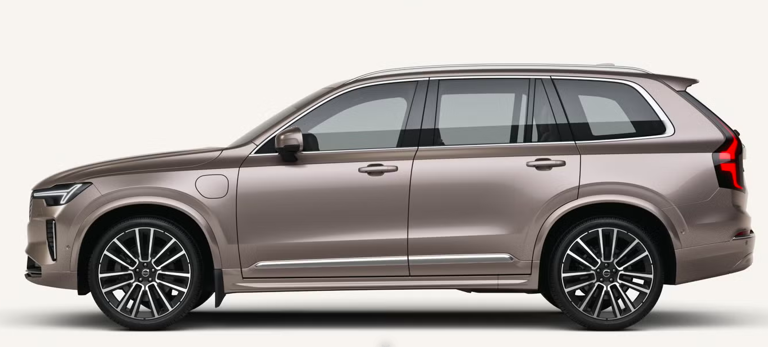
The average purchase price of a plug-in hybrid is about €55,700, compared with €40,500 for a fully electric vehicle. This difference is largely because the majority of PHEVs sold are premium SUVs from brands like BMW, Audi, Volvo, and Mercedes-Benz.
These vehicles are:
-
Large
-
Heavy
-
Extremely energy-intensive
Official Consumption vs Real Consumption
Manufacturers promise impressive figures like 2 L/100 km, but real usage tells another story. Studies reveal that most plug-in hybrids actually consume 6–7 L/100 km, especially when the battery is empty.
That means PHEVs use three times more fuel than advertised — destroying their supposed economic advantage.
Claimed vs Real-World Fuel Consumption
| Aspect | Manufacturer Claims | Real-World Results |
|---|---|---|
| Fuel Consumption | 2 L/100 km | 6–7 L/100 km |
| Fuel Cost Per Year | ~€400 | ~€900–€1200 |
| Electric Range | Up to 80 km | 25–40 km (average use) |
A High Purchase Price for Limited Benefits
The average purchase price of a plug-in hybrid is €55,700, compared to:
| Vehicle Type | Average Price |
|---|---|
| Plug-In Hybrid | €55,700 |
| Fully Electric | €40,500 |
| Diesel | €33,000 |
Most PHEVs are premium SUVs from brands such as Audi, Mercedes, BMW, and Volvo. These vehicles are heavy — sometimes over 2 tons — and rely on a battery system that often remains unused.
Once the battery is drained, the combustion engine must move car but also its heavy battery pack. This dramatically increases fuel consumption and emissions.
Not So Eco-Friendly After All
Despite being marketed as “green,” many plug-in hybrids are used mostly as gasoline vehicles, because drivers rarely recharge them daily.
The result?
-
Higher CO₂ emissions than expected
-
More fuel consumption
-
Heavier environmental impact during production
In simple terms: plug-in hybrids often end up polluting more than they save.
Comparison: Electric vs Plug-in Hybrid vs Gasoline
| Feature | Electric Vehicle (EV) | Plug-In Hybrid (PHEV) | Petrol/Diesel Vehicle |
|---|---|---|---|
| Purchase Cost | Medium | High | Medium |
| Fuel/Charging Cost | Low | High (if uncharged) | High |
| Eco Performance | Best | Average to Poor | Poor |
| Maintenance Cost | Low | Medium-High | Medium |
| Best Use Case | Daily urban driving | Only for frequent charging and short trips | Long-distance travel |
Conclusion: A Technology With Good Intentions, But Bad Execution
Plug-in hybrids were meant to be a stepping stone toward full electrification. In reality, they have become:
-
Financially burdensome
-
Fuel-inefficient
-
Environmentally misleading
Unless a driver charges the battery daily and mostly travels short distances, a PHEV is often a poor investment compared to a full electric or even diesel vehicle.
Conclusion: A Technology That Failed Its Promise
Plug-in hybrid cars may look attractive on paper, but reality, they deliver poor fuel efficiency, high ownership cost and disappointing environmental performance. As electric charging infrastructure improves and battery prices drop, electric vehicles are increasingly becoming the smarter — and cheaper — alternative.